
EUDR · Geolocation · Vietnam
EUDR compliant plywood from Vietnam: geolocation data for the core and the face veneer
Truc Mai supplies the EUDR compliance dossier with every EU order: origin records and GeoJSON plot geolocation for both the Vietnamese core and the imported face veneer. The EU importer files its own due-diligence statement from it. EUDR is documentation, not a certificate.

- Core + facegeolocation covered
- GeoJSONplot files
- 6 decimalscoordinate precision
- FSC 100%available on the same lots
- HS 4412plywood in scope
Updated 12 November 2026
Film
This certificate in a short film
Short answer
What is EUDR compliant plywood, and what does Truc Mai supply?
EUDR compliant plywood is plywood whose wood is deforestation-free, legally produced and traced to plots of land, with a due-diligence statement filed in the EU before it is placed on the market. Truc Mai supplies the data for that statement: geolocation and origin records for the core and for the face veneer.
Regulation (EU) 2023/1115, the EU deforestation regulation, covers wood products including plywood under HS heading 4412. The EU operator that first places the plywood on the EU market must collect the data, assess the risk and submit a due-diligence statement, and the reference must exist before the customs declaration.
The mill outside the EU is not the operator, so no mill can issue an EUDR certificate. What the mill can do is hand over the dossier the operator needs. For Truc Mai that is the species, the quantity, the country of production, the geolocation of every plot and the production dates, for the Vietnamese core logs and for the face veneer.
The face matters as much as the core. A white poplar EV face is made from plantation poplar and imported, so its plots are in a different country from the core. A dossier that covers the core only leaves the importer unable to file, and Truc Mai's covers both.
The rest of this page shows the fields of the dossier, filled for a typical order, what the operator and the trader must do, and how to check the regulation yourself.
- Dossier type EUDR due-diligence data, not a certificate
- Geolocation GeoJSON plot files for the core and the face veneer
- Core origin records Plot coordinates, polygon map, harvest permits, forest-product lists, weighbridge tickets
- Face origin records Forest-management and chain-of-custody traced to a polygon, supplier declaration, trade documents
- Species Common and scientific names for core and face
- Who files The EU importer, as operator
- FSC FSC 100% available on the same lots; the claim is separate from the geolocation
Plot owners, plot numbers, coordinates and supplier names are in the file sent to the importer, not on this page.
What we hold
Which EUDR documents does Truc Mai hold for core and face?
The dossier is made of two sets of papers, one for each part of the panel. A sample of each goes to the importer's compliance team before the order. The papers are not published on this page, because they carry plot owners and coordinates.
- Core dossier
FSC 100% Acacia mangium from a smallholder plantation in a forest-management group in northern Vietnam, with plot coordinates, polygon map, harvest permit papers, forest-product lists and weighbridge tickets.
- Face veneer dossier
FSC 100% engineered veneer made from plantation poplar, traced through forest-management and chain-of-custody certificates to a GeoJSON polygon, with the supplier's deforestation-free declaration against the 31 December 2020 cut-off.
- Trade papers
Export and import declarations, the imported-timber list and the certificate of origin for the veneer.
Chain of custody for FSC 100% plywood. It supports the risk assessment; it does not replace geolocation.
The dossier
What does an EUDR dossier for a plywood order contain?
This table shows each field the operator needs, filled for a typical Truc Mai order of FSC 100% poplar EV faced plywood on an Acacia core. The values are the form of the data, not a real plot.
| Field in the dossier | Core | Face veneer | Legal basis |
|---|---|---|---|
| Product description and HS code | Plywood, HS 4412 | Engineered veneer, supplied to the mill | Article 9(1)(a) |
| Species, common and scientific | Acacia mangium | Poplar, Populus deltoides | Article 9(1)(a) |
| Quantity | Net mass in kg of the order's panels, by line | Net mass of veneer used for the order | Article 9(1)(b) |
| Country of production | Vietnam | China, where the poplar is grown | Article 9(1)(c) |
| Geolocation | GeoJSON polygon for each plot, six decimal digits | GeoJSON polygon for each poplar plot | Article 9(1)(d) |
| Production dates | Planting and felling period of the plot | Harvest period of the poplar | Article 9(1)(d) |
| Suppliers and buyers | Name, postal and email address, up the chain | Name, postal and email address, up the chain | Article 9(1)(e), (f) |
| Deforestation-free evidence | Plot history against the 31 December 2020 cut-off | Supplier declaration against the same cut-off | Article 9(1)(g) |
| Legality evidence | Harvest permit, forest-product lists, weighbridge tickets | Export and import declarations and certificate of origin | Article 9(1)(h) |
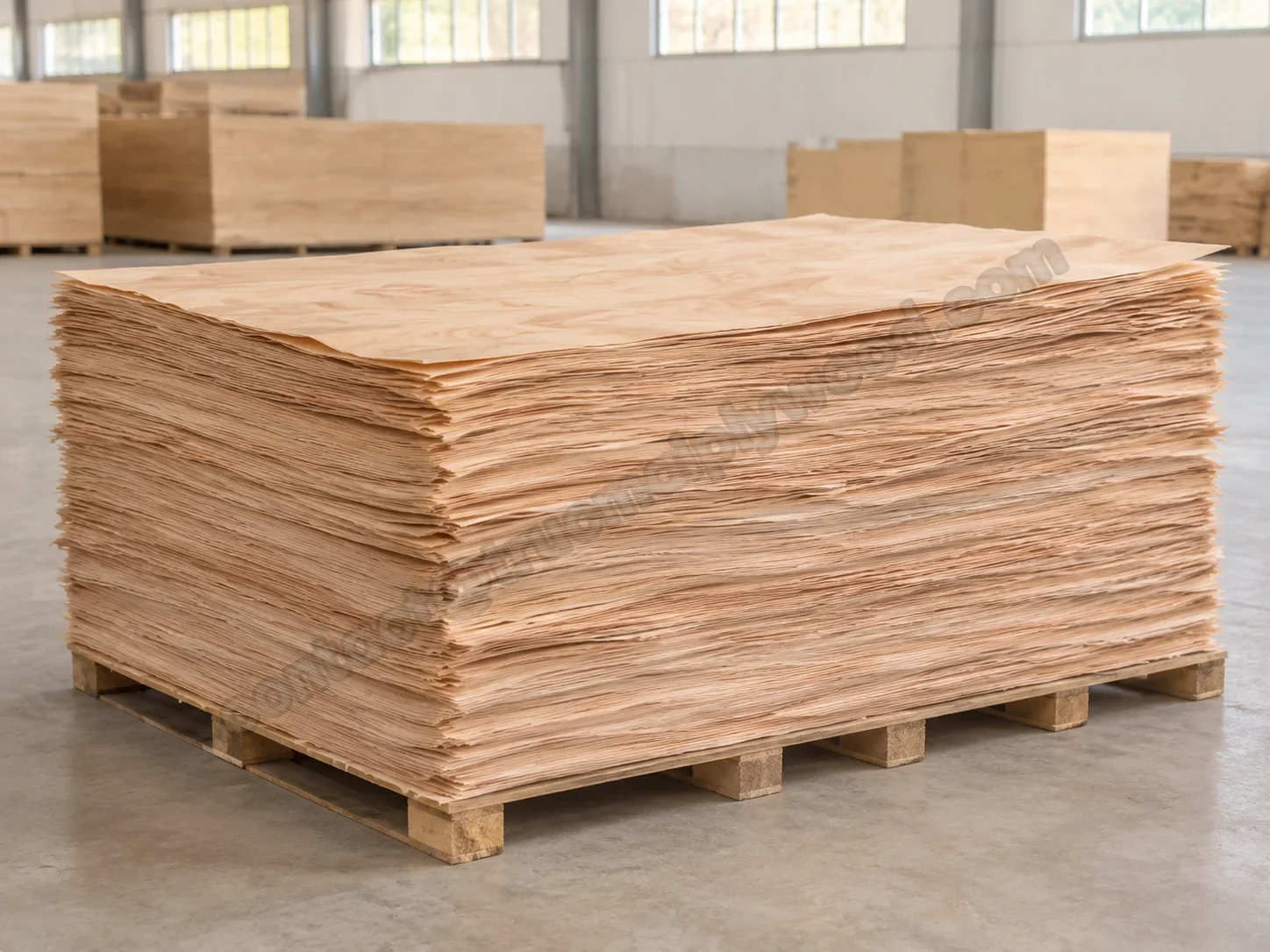
Plots larger than four hectares need a polygon, not a single point. Records are kept for five years. Checked 12 November 2026 against Regulation (EU) 2023/1115.
The regulation
What does EUDR require, and from when?
The regulation puts the duty on whoever first places the product on the EU market. Everyone further down the chain keeps the records and passes the reference on.
| Role | Who it is | What they must do | Source |
|---|---|---|---|
| Operator | The company that first places plywood on the EU market, usually the importer | Collect the Article 9 data, assess the risk, submit the due-diligence statement before placing on the market, keep records for five years | Regulation (EU) 2023/1115, Articles 4, 8, 9 |
| Downstream operator or trader | A company that buys from an operator and sells on | Keep supplier and customer details and the statement reference numbers for five years; non-SME companies register | Article 5 as amended by Regulation (EU) 2025/2650 |
| Micro or small primary operator | A small producer selling its own product in a low-risk country | One-time simplified declaration; postal address may replace geolocation | Article 4a as amended |
| Supplier outside the EU | The mill, here Truc Mai | Hand over the data the operator needs; not an operator itself | Contract; Article 9 data |
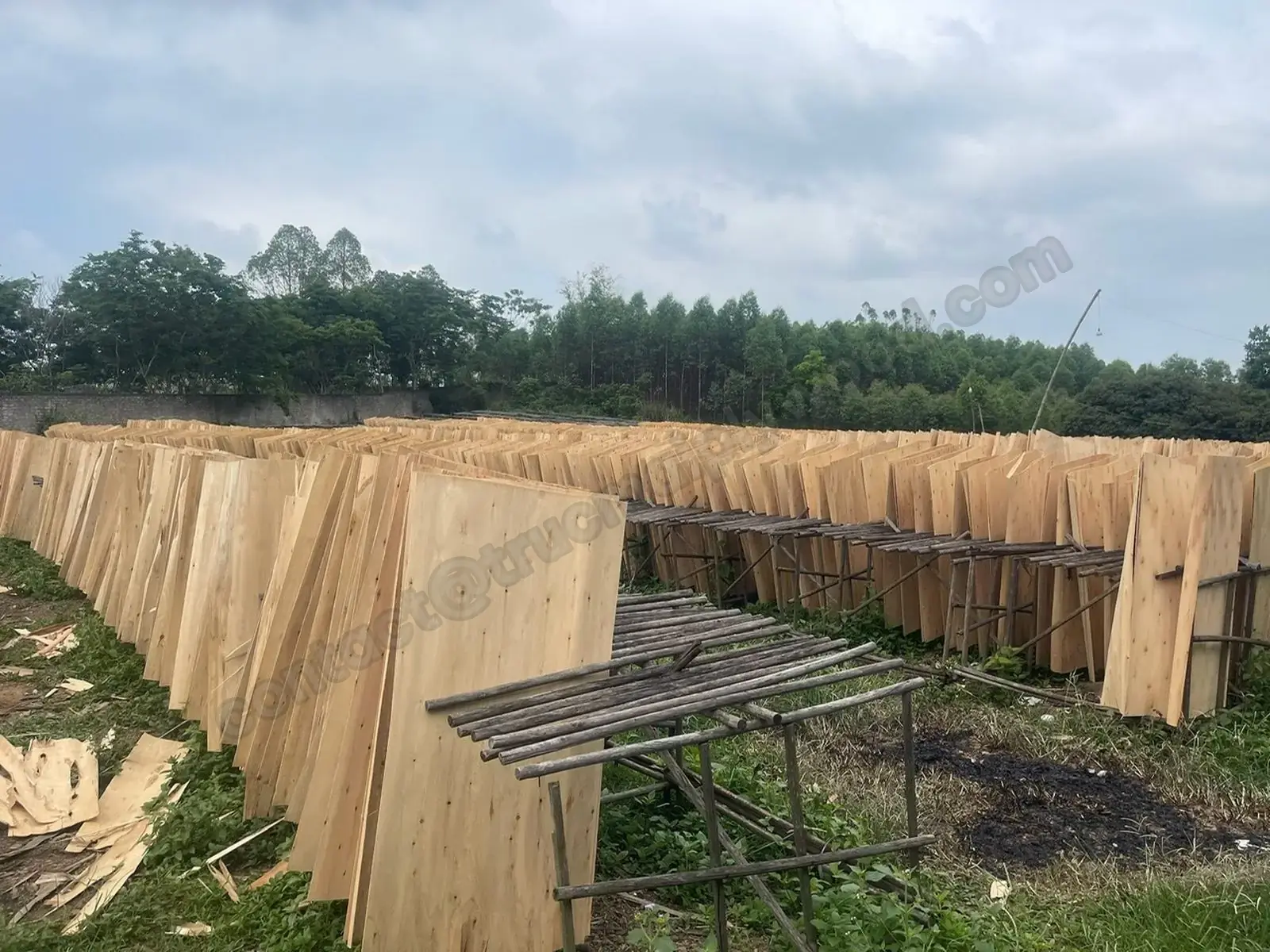
Application: Articles 3 to 13 and others apply from 30 December 2026; for micro and small operators established by 31 December 2024 from 30 June 2027, under Regulation (EU) 2025/2650. The Commission's EUDR page lists the same application dates. Checked 12 November 2026 against both acts; the dates and duties can change, so the importer should read the current text.
Geolocation
What counts as EUDR face veneer geolocation of a plot?
The regulation defines geolocation as the position of a plot by latitude and longitude, and the data must be precise enough to find the plot on a map.
Geolocation uses coordinates with at least six decimal digits. For a plot of more than four hectares, one point is not enough: the data must be a polygon with enough points to describe the perimeter of the plot. A polygon is stored in a GeoJSON file, which the EU information system can read.
A plantation of acacia is often a group of small plots, and each has its own polygon and its own production dates. A panel made from logs from several plots therefore carries several polygons, and the dossier lists all of them. One plot with deforestation or forest degradation after the cut-off disqualifies all the wood from that plot.
For the face, the polygon sits at the poplar plantation, not at the veneer factory. The paper trail from the plantation to the veneer sheet, with its forest-management and chain-of-custody certificates, is what lets the supplier name that polygon.
Truc Mai receives these files with each lot of logs and veneer, matches them to the order and sends the GeoJSON together with the origin records to the importer. The GeoJSON for plywood therefore comes in two sets: an EUDR GeoJSON plywood file for the core plots and one for the face veneer plots. Truc Mai numbers the files by lot so that the importer can match each polygon to a line on the invoice.
- Precision
Six decimal digits for latitude and longitude.
- Large plots
A polygon for any plot above 4 ha.
- Dates
Production date or time range for each plot.
- Every plot
All plots behind the panel, for core and face, not a sample.
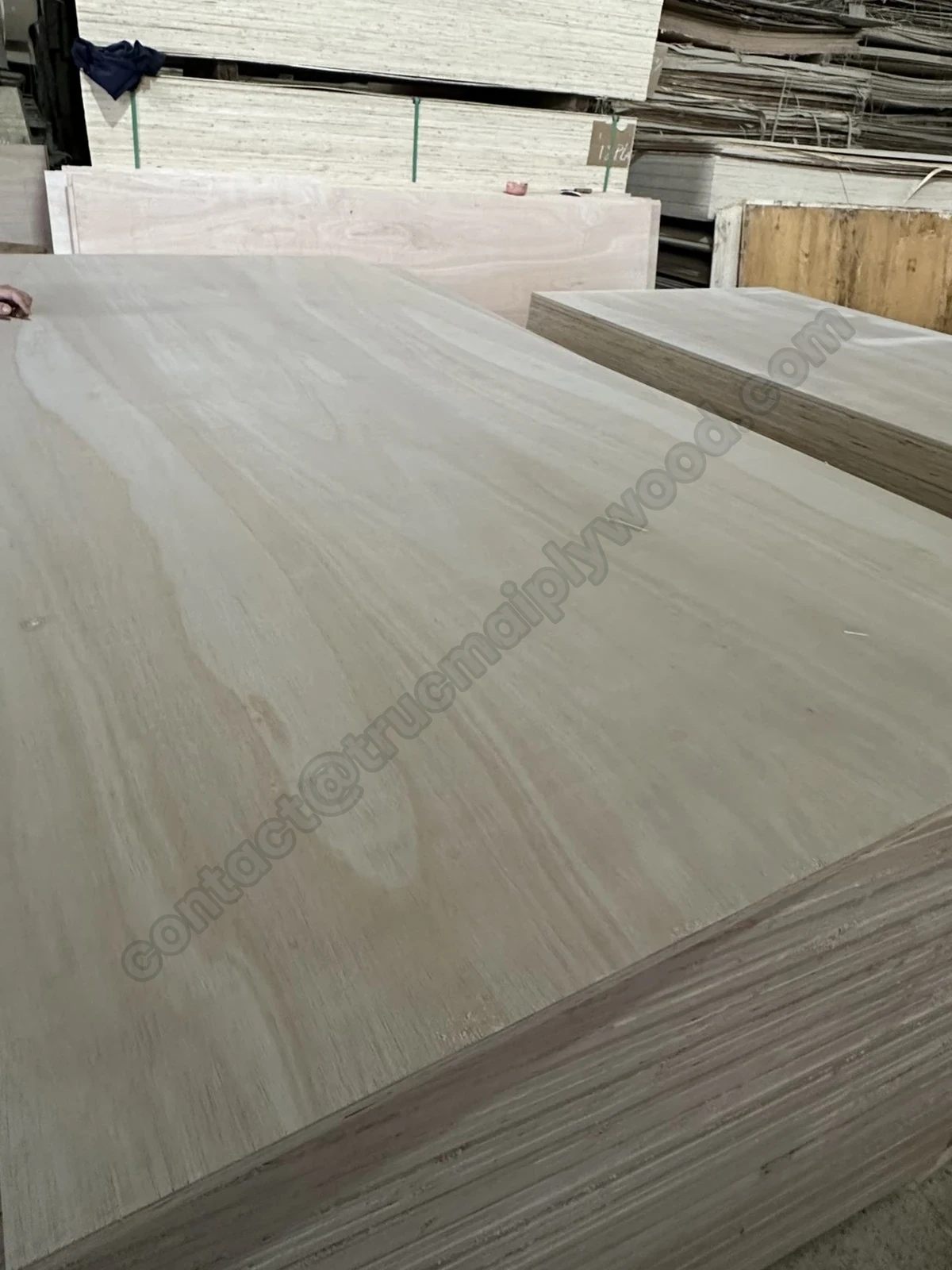
Markets
Is EUDR only an EU rule, and what do other markets ask?
EUDR applies to products placed on the EU market. Other markets have their own timber-legality and formaldehyde rules, and the same origin records help with them.
| Market | Timber and origin rule | Where the Truc Mai dossier helps | What Truc Mai supplies |
|---|---|---|---|
| EU | EUDR: due-diligence statement with plot geolocation | It is the data for the statement | Dossier for core and face |
| USA | Formaldehyde: CARB P2 and TSCA Title VI; timber legality under federal law | Origin records support the buyer's sourcing file | CARB/EPA 26053 plus origin records |
| UK | UK timber due-diligence rules | Origin records support the importer's due diligence | Origin records and FSC claim |
| Canada, Middle East, Australia | Buyer sourcing policy and local rules | Supports the buyer's file | Origin records and FSC claim |
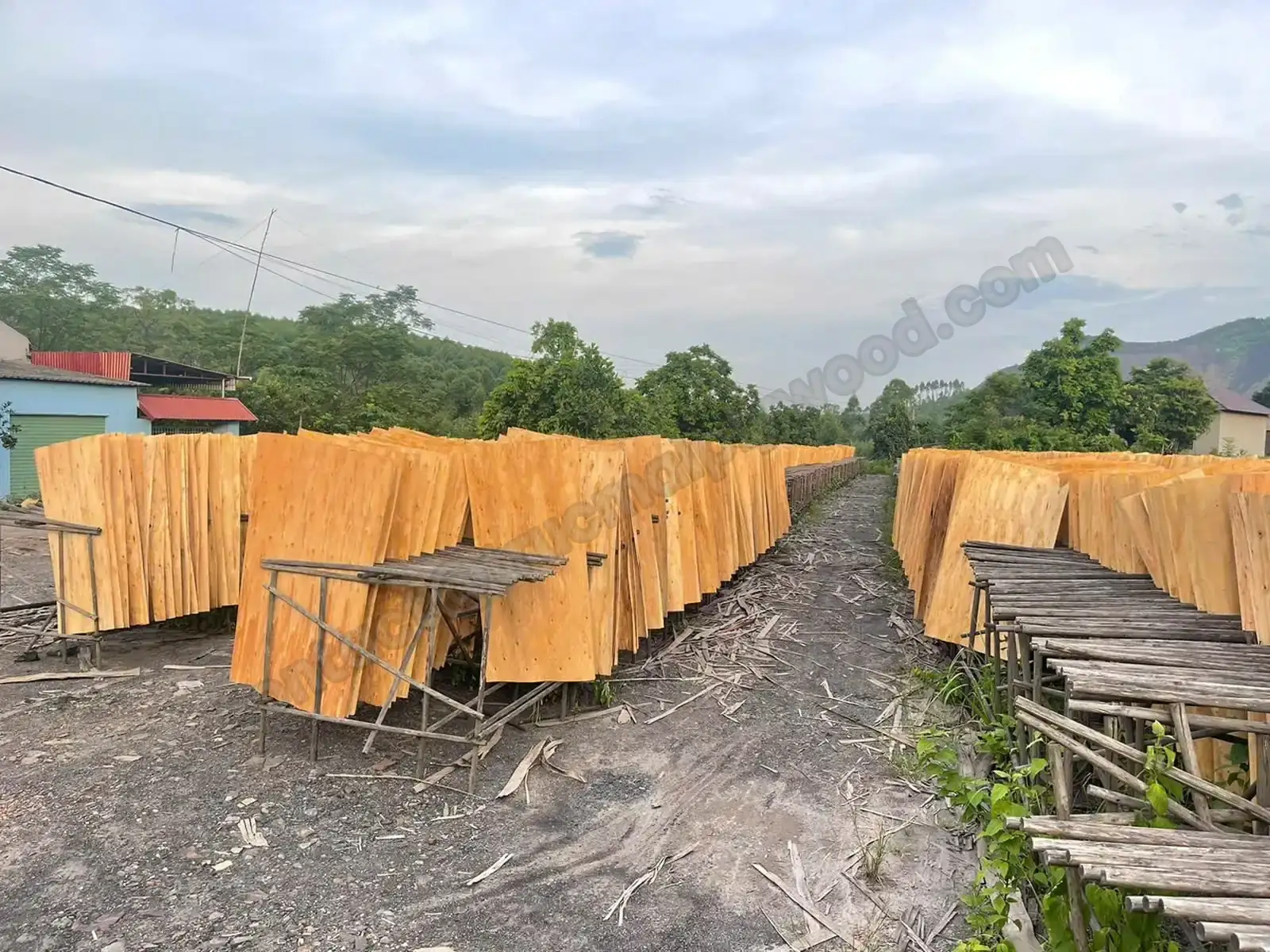
The legal rule of each market is the importer's to read. FSC can support the buyer's policy but is not a replacement for geolocation in the EU.
Scope
Which Truc Mai panels come with the EUDR dossier?
Every panel shipped to the EU can come with the dossier for its core and its face, whether the face is EV, poplar, birch, okoume, bintangor, pine or another face on the range.
The core is Eucalyptus, Acacia, Styrax or Pine, or a combination, grown in Vietnam. Each core species is traced to plantation plots in the dossier. The face is whatever the order calls for, and its origin is traced separately, because faces come from different countries.
White poplar EV, a face made of reconstituted veneer from plantation poplar, is the face with the fullest chain of papers. It is imported in sheets of 2500 × 1300 mm, 0.3 or 0.4 mm thick, with FSC 100% available, and the dossier links it to a GeoJSON polygon of the plantation.
Thickness, sheet size and glue do not change the dossier. What changes it is the face and the core species on the order, so the enquiry should name them.
Panels for the US, Canada, the Middle East and Australia do not need the EUDR dossier, but the same origin records are kept and can be supplied to a buyer who asks.
- Core
Eucalyptus, Acacia, Styrax or Pine, or combined, traced to Vietnamese plots.
- Face
EV, poplar, birch, okoume, bintangor, pine and others, traced to their own plots.
- Same for all sizes
3–40 mm on all three sheet sizes.
- Name them
Give the face and core species at enquiry so the right dossier is prepared.

FSC and EUDR
Does FSC certification replace the EUDR dossier?
No. They answer different questions, and an EU importer needs both for most buyers.
- What FSC gives
A claim on the invoice that the wood comes from FSC-certified forest, audited by a certification body.
- What EUDR needs
Plot geolocation, species, quantity and production dates, for the importer's own due-diligence statement.
- How they combine
FSC records often supply the evidence behind the dossier fields, and the FSC claim is checked in the same pack.
- What Truc Mai sends
The FSC claim and certificate copy, and the EUDR dossier with GeoJSON for core and face.
Face and core
Why does EUDR compliant plywood need geolocation for both core and face?
Because the regulation applies to every commodity in the product, and a sheet of plywood contains two wood origins.
Article 9 asks for the geolocation of all plots where the relevant commodities that the product contains, or was made from, were produced. A panel made of Acacia core and poplar face has plots in two countries, and each plot counts.
If one plot is missing, the importer cannot state that the whole product is deforestation-free, and the statement cannot be completed. That is why the dossier is built from two sets of records and why Truc Mai keeps the core and face papers together for each order.
A mill that offers geolocation for the core alone leaves the face as a gap. The check for a buyer is simple: ask for the face veneer polygons as well, and ask who made the veneer.
Documents
Which EUDR files come with an EU order?
The files arrive in three steps, so the importer can file the statement before the container is on the water.
- Before you order A sample dossier for core and face, so your compliance team can check the fields and format
- With the quotation The face and core species named, the claim, and the list of papers per line
- Before loading GeoJSON plot files and origin records matched to the lots for the order
- Commercial invoice and packing list Quantities by line in net mass, so the statement quantity matches
- FSC papers Certificate copy and claim on the invoice for FSC lines
- Shipment papers B/L, certificate of origin, phytosanitary and fumigation papers
Verify
How can an importer check the EUDR GeoJSON plywood data?
The importer is responsible for the statement, so these are the checks it can make with the dossier in hand.
- Read the regulation
Open Regulation (EU) 2023/1115 and Article 9, and the amendments in Regulation (EU) 2025/2650.
- Match the fields
Compare the dossier with the Article 9 fields in the table above.
- Open the GeoJSON
Load the files in a map viewer and check that each polygon is where the origin records say.
- Check the species
The common and scientific names must match the species on the order.
- Check the quantity
The net mass in the dossier must match the invoice and the packing list.
- Keep the record
Keep the dossier and the statement reference for at least five years.
Ask for the sample: We send a sample dossier with your quotation.
Common mistakes
Which EUDR claims should an importer reject?
Most EUDR problems come from data that does not cover the whole product. These are the cases to watch for.
- An EUDR certificate
There is no EUDR certificate. The regulation requires data and a statement, not a certificate.
- Core only
A dossier that covers the core and not the face veneer is incomplete for plywood.
- One point for a large plot
A single coordinate is not enough for a plot above four hectares.
- A country name instead of plots
Saying wood is from Vietnam is not geolocation. The plots must be given.
- FSC offered in place of geolocation
FSC is evidence, not a replacement for plot data.
Checklist
How to order EUDR-ready plywood: checklist
Use this list before you order and again before the container ships.
- Say EU
Write EU and EUDR on the enquiry, so the dossier is planned with the lots.
- Name face and core
Species of the face and the core, because each has its own plots.
- Ask for the sample dossier
Check the fields and the GeoJSON format with your compliance team.
- Name the operator
Tell us who files the statement, the importer or an authorised representative.
- Approve the sample
Check a free panel sample beside the sample dossier. Courier is on the new buyer's account and is credited when the container is booked.
- Check before loading
Compare the dossier quantities with the draft invoice and packing list.
Terms: MOQ one 40HC, 15–45 days after the 30% deposit, FOB Hai Phong, CFR or CIF.
FAQ
EUDR plywood questions
Is Truc Mai plywood EUDR compliant?
Truc Mai supplies the EUDR dossier, with GeoJSON plot geolocation for the core and the face veneer, so the EU importer can file its own due-diligence statement.
Is there an EUDR certificate?
No. EUDR requires data and a due-diligence statement filed by the operator, not a certificate.
Who files the due-diligence statement?
The operator that first places the plywood on the EU market, usually the importer. Truc Mai hands over the data.
Does the dossier cover the face veneer?
Yes. Core and face each have their own plots and records, and both are in the dossier.
What is the GeoJSON file?
It holds the polygon of each plot with coordinates of at least six decimal digits. The EU information system can read it.
When does EUDR apply?
Its main articles apply from 30 December 2026, and from 30 June 2027 for micro and small operators established by 31 December 2024.
Does FSC replace the EUDR dossier?
No. FSC is a claim on the invoice. The dossier carries geolocation, which FSC does not.
Do other thicknesses or sizes change the dossier?
No. The face and core species change it, not the thickness or sheet size.
How long are the records kept?
The operator keeps them for five years, and downstream operators and traders keep supplier and customer details for five years.
Can I see a sample dossier?
Yes. We send a sample with the quotation, with plot owners and coordinates withheld until the order.
Need the dossier sample? Write to Lucy at contact@trucmaiplywood.com and we will send it with your quotation.
Quotation
Request the EUDR dossier with a quotation
Send the panel, the face and core species and the quantity. We reply with a quotation and a sample dossier.