
Resources · panels by end product
Plywood applications guides: furniture, cabinets, commercial and packing panels
Plywood applications guides map each end product to one Truc Mai build line. Furniture and cabinet panels use an A-grade stitched core with sanded faces at ±0.3 mm. Commercial panels use an AB core at ±0.5 mm. Packing panels use an AB loose-laid core at ±0.5–1.0 mm, usually at E2 emission. Pick the product first and the line follows.
A kitchen cabinet maker, a wardrobe factory, a crate builder and a door-frame supplier all buy plywood, but they should not buy the same panel. This hub matches each product to a line, a core and a face, and sends the reader to the sheets page that sells it.
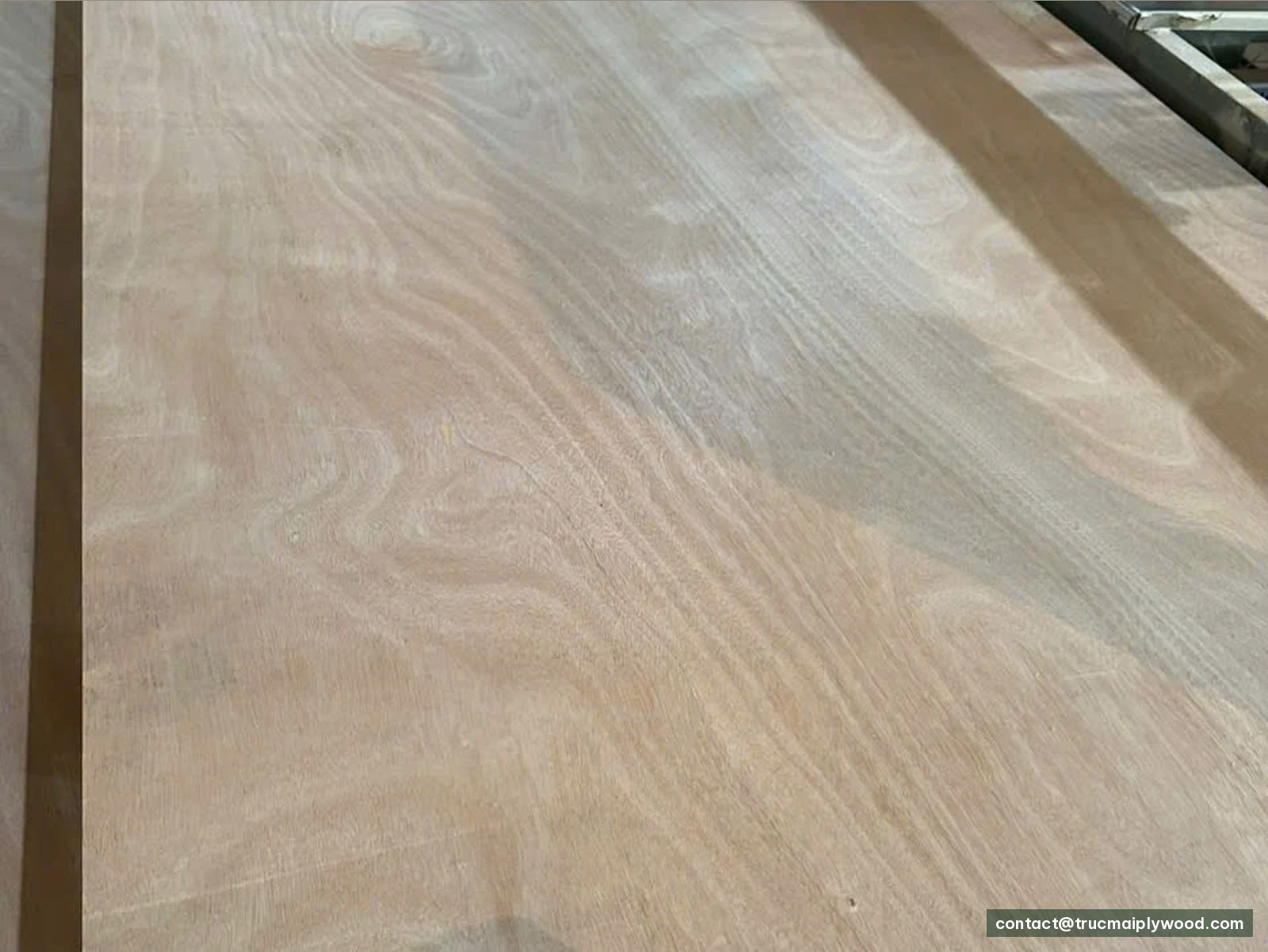
- ±0.3 mmfurniture and cabinet panels, sanded and calibrated
- ±0.5 mmcommercial panels
- ±0.5–1.0 mmpacking panels
- ~53 m³18 mm Styrax core per 40HC, the usual choice for furniture parts
Truc Mai does not make film-faced, formwork, structural or marine plywood.
Answer and key facts
Plywood applications guides: which build suits which product?
Three lines cover the range. Furniture and interior panels are for parts that show or are finished: cabinets, wardrobes, shelving, door and frame stock. Commercial panels are for hidden or utility structure. Packing panels are for crates and boxes.
For the end products below, emission rules come from the California Air Resources Board and the US EPA, the timber claim from FSC International, and the EU origin file from Regulation (EU) 2023/1115 on EUR-Lex.
| End product | Line | Core and face | Tolerance |
|---|---|---|---|
| Kitchen cabinets, wardrobes, shelving | Furniture and interior | A-grade stitched core, sanded faces; veneer, melamine or HPL face | ±0.3 mm |
| Painted or printed furniture parts | Furniture and interior | Poplar or bleached poplar face on Styrax core | ±0.3 mm |
| General interior and utility work | Commercial | AB core, loose-laid or jointed, unsanded or lightly sanded | ±0.5 mm |
| Crates, boxes and pallets | Packing | AB loose-laid core, usually E2 emission | ±0.5–1.0 mm |
| Door frames, bed slats, furniture parts | Non-structural LVL | Veneer lamination in one direction; not for structural use | Per order |
Cabinets and wardrobes
Furniture panels and plywood for kitchen cabinets and wardrobes: which build?
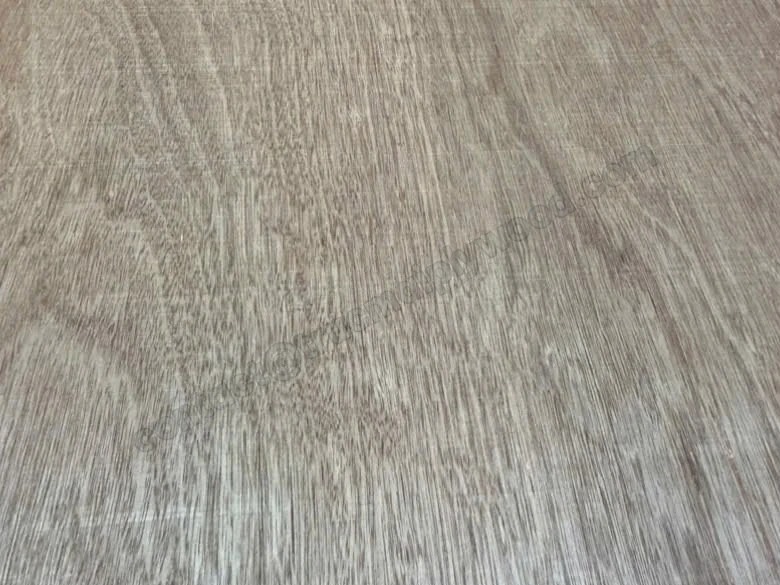
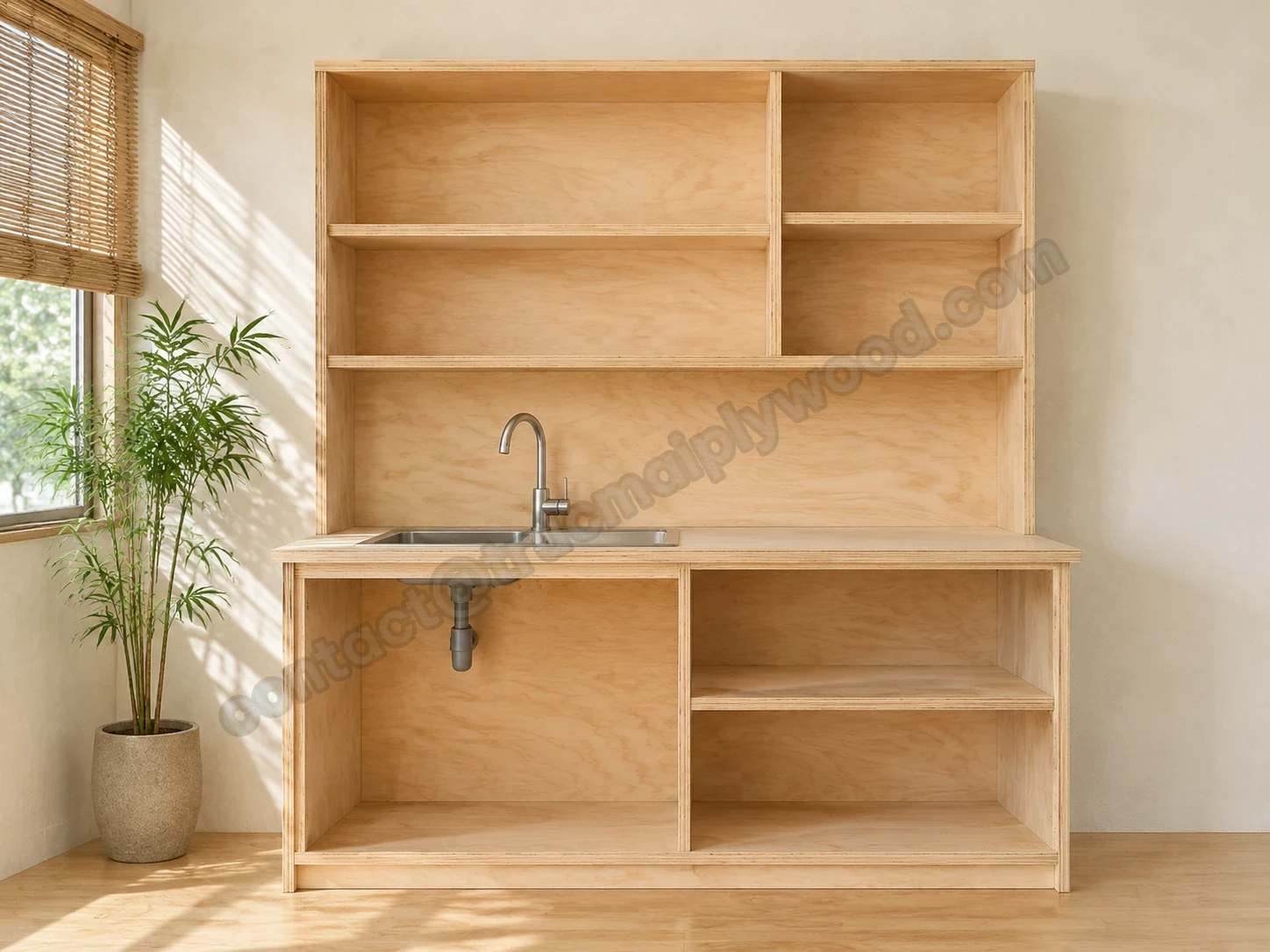
Furniture panels for cabinet and wardrobe carcasses are furniture-grade: A-grade stitched core, sanded faces and a face that suits the finish. For painted and melamine parts a plain poplar face is the usual base; for clear-lacquered doors, okoume or bintangor.
Thickness tolerance of ±0.3 mm matters in cabinetry because routed grooves and hinge cups assume a repeatable thickness. Melamine-faced panels fit cabinet carcasses where the face is wiped clean, and the decor is fixed against an approved sample for every repeat order. UV-ready panels leave the finish to the buyer's own UV line.
On cost per container, Styrax core is the usual choice for furniture parts because a 40HC takes about 53 m³ against about 43 m³ on Eucalyptus. The cutting yield on a panel is a separate cost: the tool linked below counts it.
Packing
What is packing plywood and how is it built?
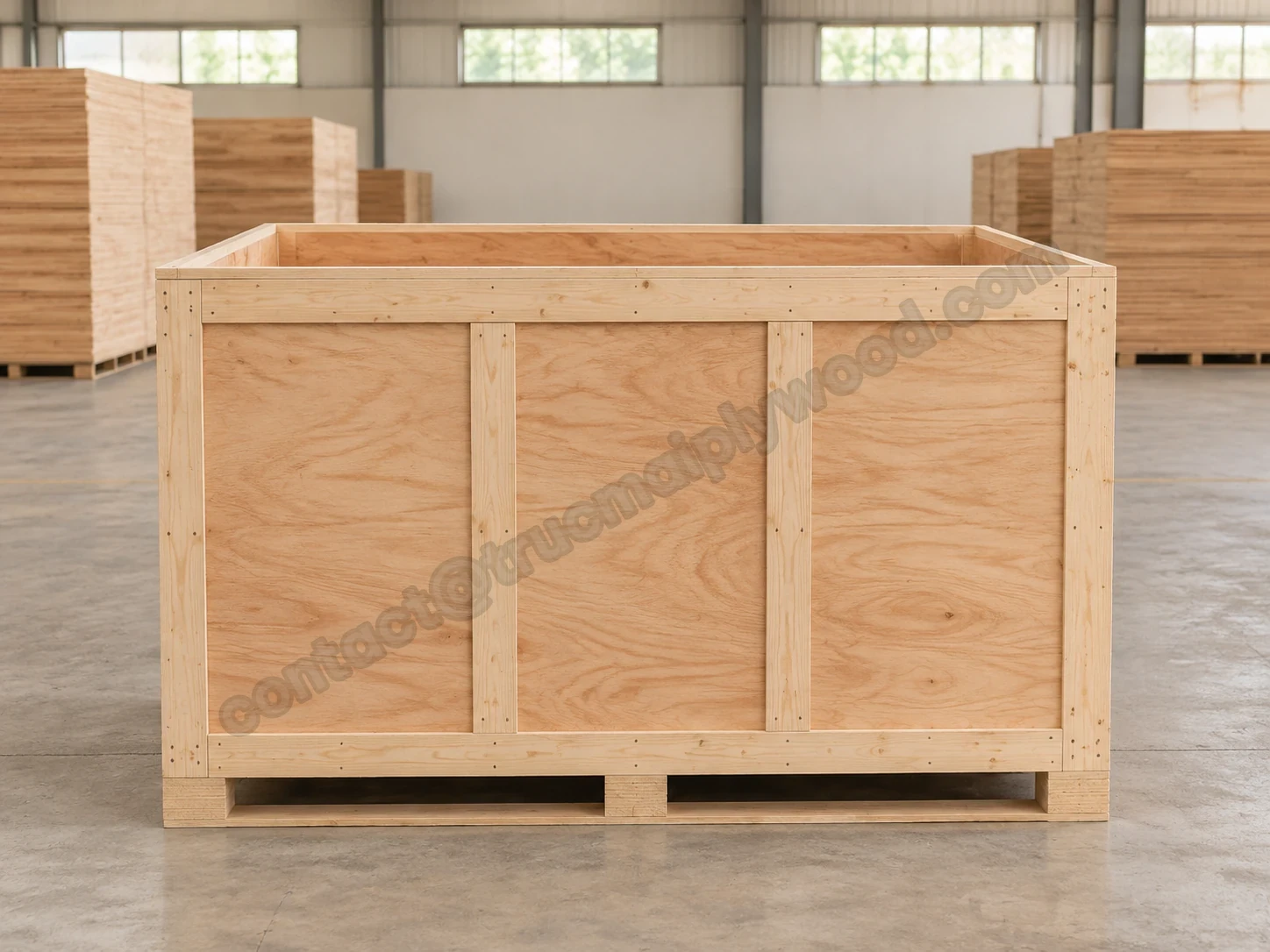
Packing plywood is a utility panel for crates, boxes and pallets. It uses an AB loose-laid core, a utility-grade face and a looser tolerance of ±0.5–1.0 mm, usually at E2 emission. It is the cheapest line per m³ because the face and the thickness control are the loosest.
A crate builder cares about strength per cost and about the panel being dry and free of rot, not about the face. Panels can be cut to size at the mill before packing, which cuts waste at the crate line: one sheet is split into 2, 3, 4 or 6 panels before the packs are built.
Packing panels are not structural plywood and are not sold as such.
LVL and special panels
Can non-structural LVL be used for door frames and bed slats?
Yes. Non-structural LVL, a lamination of veneers in one direction, is made for furniture parts, door and frame stock, bed slats and packing. It is not sold for structural use.
LVL and plywood use the same veneer with a different lay-up. Plywood alternates the grain for stability in two directions; LVL keeps the grain in one direction for stiffness along the length. A buyer who needs wide flat panels should use plywood, and one who needs slats, frames or battens should consider LVL.
No export history for LVL is claimed here; the product is made on request.
Faced panels
Which melamine-faced panel fits cabinet carcasses?
A melamine-faced panel on a furniture-grade core, sanded and calibrated to ±0.3 mm, fits cabinet carcasses: the face is wiped clean, the edges are banded, and the parts match because the thickness repeats. HPL-faced and paper-overlay panels sit in the same family for harder-wearing or paint-ready surfaces.
The decor, the sides and the stamp are fixed for every repeat order against an approved sample, so a carcass made in January matches a carcass made in June. Edge banding is the buyer's step; the guide on edge banding laminated panels covers the choices.
Plywood with a melamine face is not the same product as MDF or particleboard with a melamine face. It is lighter for its strength, holds screws at the edge better and does not swell the same way when a kitchen wall gets damp, but it costs more per m³ than a chip core, and the cost comparison is in the guide on ply or MDF.
Parts
Can panels be cut to size before packing?
Yes. The mill splits one sheet into 2, 3, 4 or 6 panels before packing, which suits furniture makers who buy parts and crate builders who buy panels. The cut size changes the pack counts and so the load per container.
Cutting at the mill removes the first cut at the buyer's line and keeps the offcuts at the mill. Length and width are held to ±2 mm and the cut is square. A buyer should state the cut list and the number of parts per sheet on the RFQ, and the quotation reply gives the planning load for the cut size.
Damp and outdoor use
Which glue and face suit damp rooms and outdoor use?
The default UF glue holds about six hours in a boil test, which suits dry interiors. Damp rooms and outdoor-leaning use call for melamine-fortified glue, which holds about twelve hours and usually gives E1 emission. Edges still need sealing.
A panel is only as good as its edges: sealed edges and a protective finish on the face extend life outdoors far more than any change of glue. Truc Mai makes exterior-glue panels as a commercial product, and does not make marine or structural plywood.
Humid markets also need dry packing and a container that has not been standing wet. The packing and ISPM 15 notes are on the loading page.
Choosing
When another Truc Mai product is the better buy
Choose commercial panels when the panel is hidden and a looser tolerance is acceptable, packing panels when it is a crate, and furniture panels when it shows or is finished. Paying for ±0.3 mm and sanded faces on a hidden structural part is waste, and buying packing grade for a visible shelf is a rejection.
Cost per container follows core as much as line: a furniture part on Styrax core carries about 53 m³ per 40HC and a commercial panel on Eucalyptus about 43 m³. Mixed containers are common, with one furniture line and one commercial line sharing a box.
Doors, frames and slats
Where plywood, LVL and solid parts each belong
Use plywood for wide flat panels that must stay stable in two directions, non-structural LVL for slats, frames and battens that need stiffness along one direction, and solid wood only where its look is the point. Mixing them in one product is normal in furniture.
A bed, for example, uses plywood for the headboard and base panels, LVL for the slats and solid wood for the visible legs. Door manufacturers use plywood skins and LVL frame stock. Because LVL is non-structural here, it is not sold for load-bearing building use.
Container planning
How end product changes the container plan
The product decides thickness and sheet size, and these decide the pack plan. Thin panels for cabinet backs and drawer bottoms load thousands of sheets per container, while 25 mm and 40 mm panels for heavy parts load a few hundred and may hit the weight cap first.
A kitchen-cabinet buyer typically orders 18 mm for carcasses, 12 or 15 mm for shelves and 6 or 9 mm for backs in one container. The quotation reply lists packs and m³ per product and for the mixed container, as planning figures. A packing buyer orders a thinner range, often with a looser tolerance and a lighter face.
The 40HC load calculator accepts a mixed list, and the sheets pages give the typical thicknesses of each product.
Start the plan from the product list, not from the container. Write each product with its thickness, sheet size and core, ask for the planning load per product, and then let the quotation combine them into one or two containers. Reordering the same list every month keeps the pack plan and the reference samples unchanged, so the second container needs no new agreement and the buyer only changes the quantities that moved.
Related pages
Guides by end product
Guides on cabinets, outdoor and humid use, overlays and packing, and the sheets pages that sell each build.
- Kitchen cabinet plywood by the container: spec, cores and 40HC counts
Cabinet plants reorder the same 18 mm spec every month: an A-grade stitched core, sanded faces, ±0.3 mm calibrated thickness, UF glue at E0 emission and CARB P2 for US.
- Wall lining panels: face and thickness for interior walls
Which face and grade fit-out buyers order for plywood wall lining, by the container.
The best interior plywood is a spec, not a brand.
- Plywood in industry: packing, transport and plant uses
The non-structural industrial uses a commercial mill supplies, by panel type and grade.
- RV and caravan panels: light thin ply for interiors
Thin, light styrax-core panels for RV and caravan builders buying in volume.
- Plywood in export packing: crates, boxes and pallets compared
Where plywood beats sawn timber in export packaging and how packers buy it by the container.
- Paper overlay plywood: a paint-ready MDO-style face for signs and joinery
What medium density overlay is, the paper-overlay faces Truc Mai can supply, and where they beat sanded faces for paint.
- Prefinished plywood for cabinets: coated faces that skip the spray booth
Prefinished faces for cabinet interiors, coat type, and the cost per carcass against finishing in the factory.
- Cutting plywood without tear-out: what face, core and blade decide
Why some faces chip on a circular saw, and the face, core and sanding choices that cut cleaner for workshops and factories.
- Plywood finishes: oil, lacquer and paint by face species
How poplar, okoume, bintangor, pine and EV faces take each common finish, from the mill's sanding and face-grade side.
- Basswood plywood: what it is and why poplar sheets replace it
Informational basswood plywood explainer with weight and laser-cut behaviour against 3-6 mm poplar sheets.
- Plywood projects: picking face, grade and thickness for small builds
A mill-side chart of face, grade and thickness by project type, for makers who later buy in volume.
- MDO or MDF: overlay ply against fibreboard for painted parts
Paper-overlay plywood against MDF for painted signs and joinery: weight, edge, moisture and cost per m3.
- Plywood for outdoor furniture: glue, face and edge sealing that last
What a furniture maker must specify (WBP glue, dense face, sealed edges) for outdoor pieces, and the limits of commercial ply.
- Best plywood for outdoor use: glue class, face and edge first
A ranked list of glue, face and core choices for outdoor non-structural uses, with what commercial ply cannot do.
- Panels for humid markets: glue, core and moisture for the tropics
The spec that keeps commercial panels flat and bonded in hot, humid destinations and in transit.
- Thermofoil cabinets against plywood or laminate doors
What thermofoil is, how it fails, and the laminate- or veneer-faced plywood doors cabinet makers use instead.
- Kitchen ply by the 40HC: carcass, shelf and front panels per month
A kitchen factory sizes its monthly order by counting sheets per kitchen, then per 40HC.
- Plywood door panels by the container: skins, cores and LVL stock
Door factories reorder one or two panel specs again and again: 3–5 mm skins built as 5 plies, thicker core stock, and LVL for door and frame parts.
- Flush plywood door cores and blanks cut by the 40HC
Flush-door factories need flat thin skins and steady core stock: 3–6 mm skins and LVL for door and frame parts.
The panel range most containers carry.
Melamine, HPL and paper overlay faces.
AB loose-laid cores for crates and boxes.
Door and frame stock, bed slats and packing.
One sheet into 2, 3, 4 or 6 panels before packing.
The commercial line, loaded by container.
Panels per sheet for a given cut list.
Best plywood for kitchen cabinets compared: UF at E0 or melamine-fortified glue, stitched cores, 18 mm with 11 plies, ±0.3 mm calibration and Styrax cores.
FAQ
Questions about panels by end product
Which plywood build suits kitchen cabinets and wardrobes?
Furniture-grade panels: A-grade stitched core, sanded faces and ±0.3 mm thickness tolerance. Choose the face for the finish, poplar or bleached poplar under paint and melamine, okoume or bintangor under clear lacquer.
What is packing plywood and how is it built?
A utility panel for crates, boxes and pallets. It has an AB loose-laid core, a utility-grade face and ±0.5–1.0 mm tolerance, usually at E2 emission. It is a cost line, not a furniture line.
Which melamine-faced panel fits cabinet carcasses?
A melamine-faced panel on a furniture-grade core, sanded and calibrated to ±0.3 mm, so carcass parts match. The decor is fixed against an approved sample for each repeat order.
What thickness tolerance comes with furniture panels versus commercial panels?
±0.3 mm on sanded and calibrated furniture panels, ±0.5 mm on commercial panels and ±0.5–1.0 mm on packing panels. Length and width are ±2 mm. The tolerance is written per order, never tighter than ±0.3 mm.
Can non-structural LVL be used for door frames and bed slats?
Yes, for door and frame stock, bed slats, furniture parts and packing. It is non-structural LVL and is not sold for structural use.
Which core gives the most m³ per container for furniture parts?
Styrax. At 18 mm and 1220 × 2440 mm a 40HC holds about 53 m³ of Styrax core against about 47 m³ of Acacia and about 43 m³ of Eucalyptus. These are planning figures.
Can panels be cut to size before packing?
Yes. One sheet is split into 2, 3, 4 or 6 panels at the mill before packing, with length and width held to ±2 mm. State the cut list on the RFQ, because the cut size changes the load per container.
Which glue suits damp rooms or outdoor use?
Melamine-fortified glue, which holds about twelve hours in a boil test against about six for UF glue, and usually gives E1 emission. Seal the edges either way.
Which face goes under paint and which under clear lacquer?
Poplar or bleached poplar is the plain base under paint and melamine; okoume, bintangor or pine suit clear lacquer where the grain shows. EV gives a uniform grain in a colour chosen by order. The face pair is agreed against an approved sample.
Which thicknesses suit cabinet backs, shelves and carcasses?
Thin panels of 6 or 9 mm suit backs and drawer bottoms, 12 or 15 mm suit shelves and 18 mm suits carcasses. Thin panels of 3 to 5 mm are always five plies, and 6 mm varies by order. Each thickness changes the number of sheets in a 40HC while the m³ stays near 53 on Styrax core.
Is packing plywood safe for food or pallets?
Packing plywood is a utility panel with a loose-laid AB core and usually E2 emission. It is made for crates, boxes and pallet decks, not for food contact or furniture. State the use on the RFQ so the build and glue are matched.
Quotation
Quote my product
Name the end product, thickness and sheet size; the reply names the line, core and face.
State the end product, thickness, sheet size, face, core preference and quantity. The reply names the build line, tolerance and planning load per 40HC.